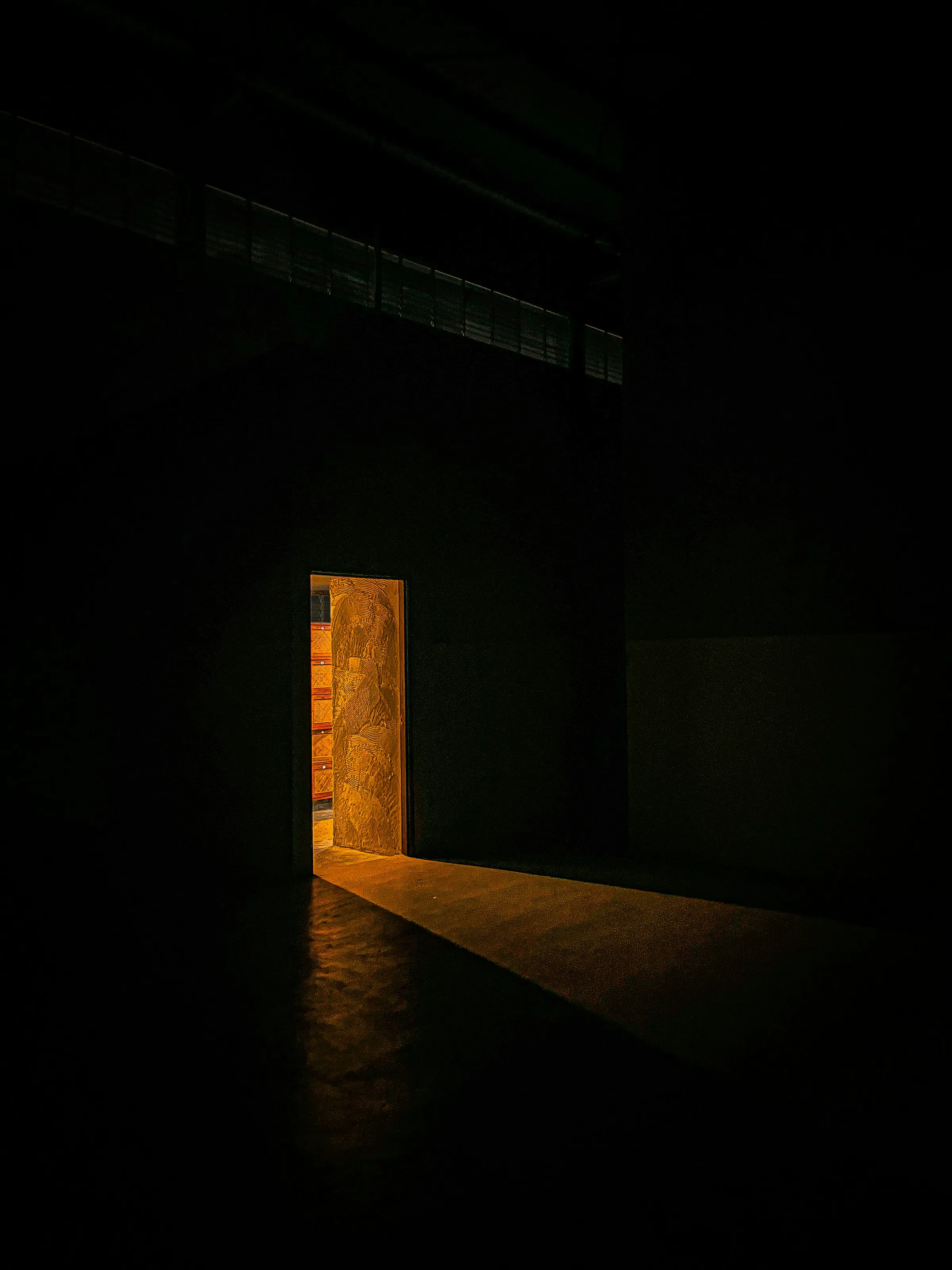
Lintel
For furniture that has to fit through a door.
Furniture is bought by the centimetre, and most stores hide the centimetres.
Anyone buying a sofa or a table asks the same four questions: will it fit the room, will it get through the door, what does the fabric look like in person, and when will it arrive. Most stores answer with a dimension string in a closed tab, a tiny color dot, and a date at checkout.
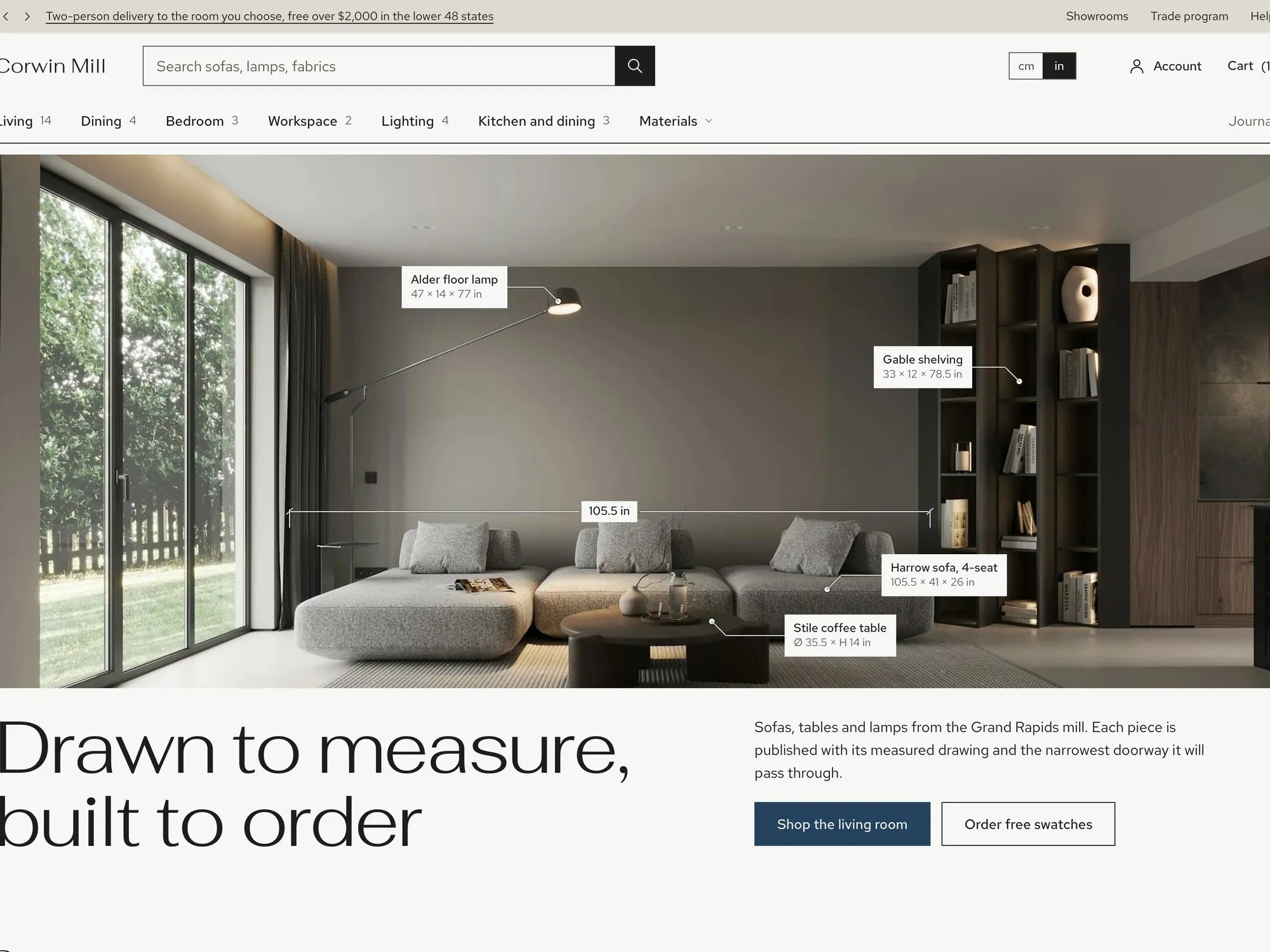
Lintel answers them where the decision is made. Every piece carries its measurements, in the shopper's own unit, on the photograph, the card, the product page and the cart, and the cart checks the doorway before anyone pays.
Furniture, lighting, decor and kitchen and dining stores, with 20 to 500 pieces, many of them made to order.
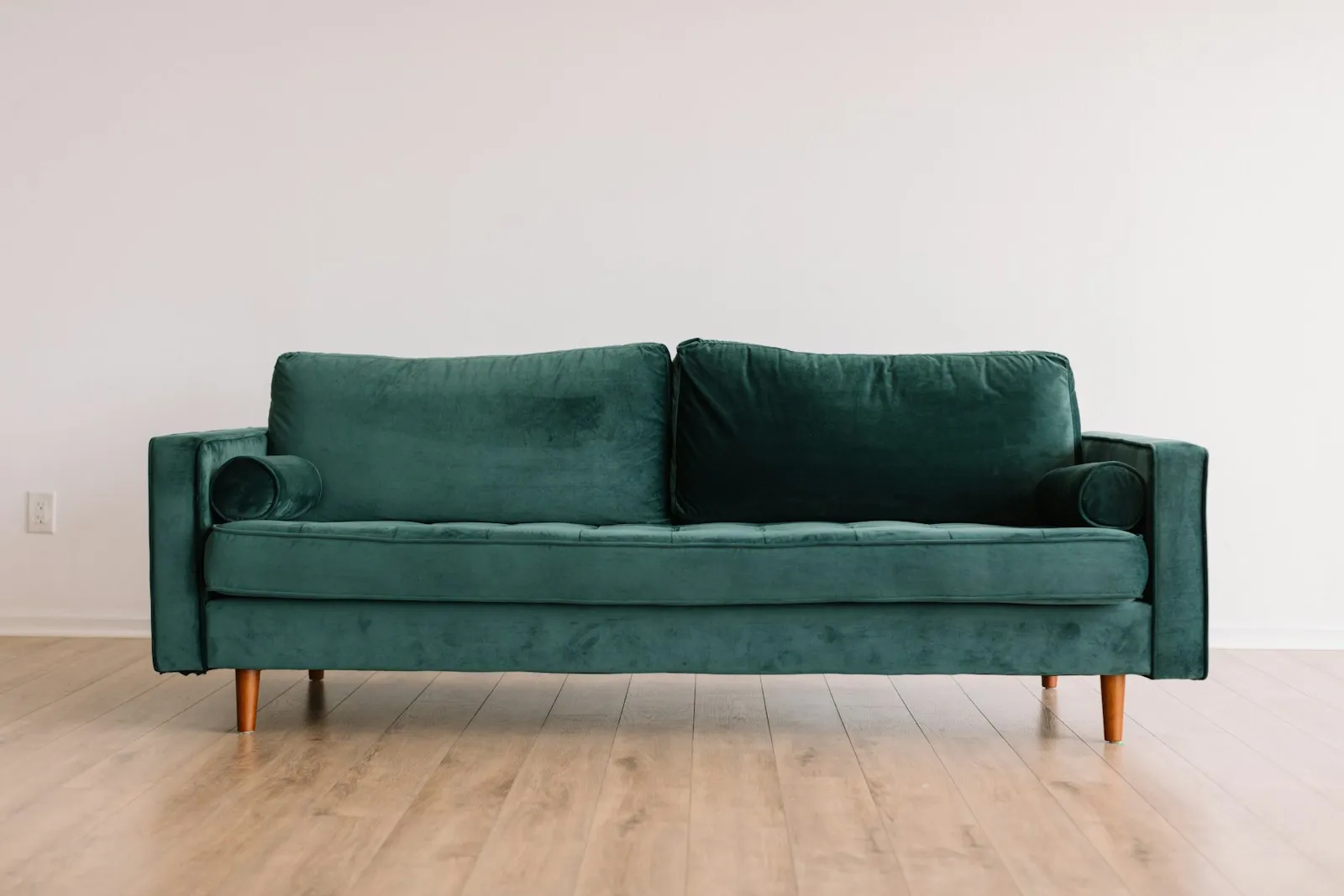
Measure twice. Sell once.
A lintel is the beam across the top of a doorway.
Every piece of furniture that ever reached a room passed under one. It is the first measurement a sofa meets, and the one most stores forget.
So the theme borrows its manners from the people who draw buildings: a thin line, a tick at each end, and the figure set in the gap.
Paper, graphite and one oxide blue.
A paper ground, graphite ink, and an oxide blue that only ever draws a line or marks an action. Fahkwang Light for display, thin and wide like lettering on a plan. Red Hat Text for everything you read.
Square corners, and photographs mounted like plates in a monograph, with room to breathe around them.
The measurements, everywhere they matter.
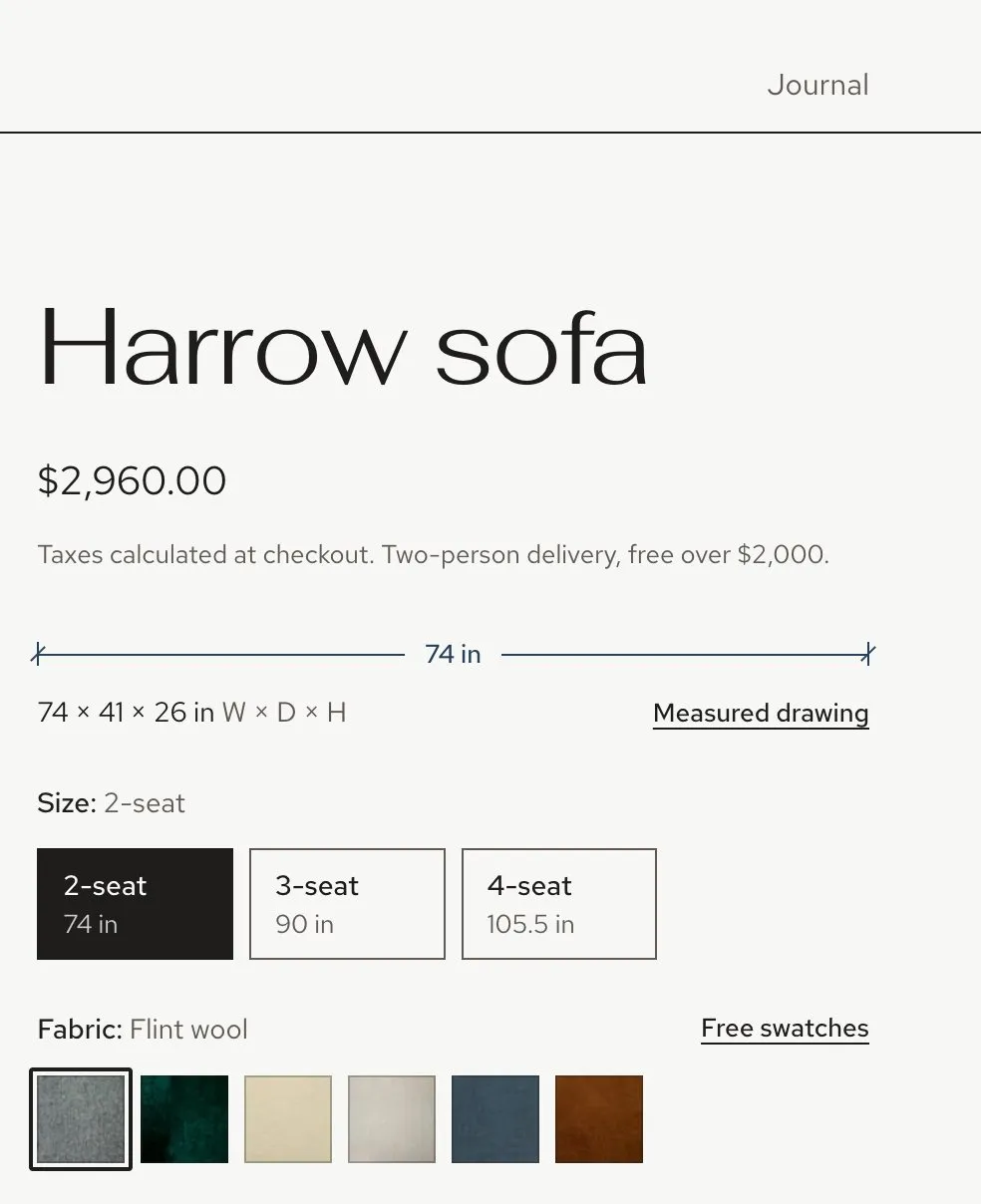
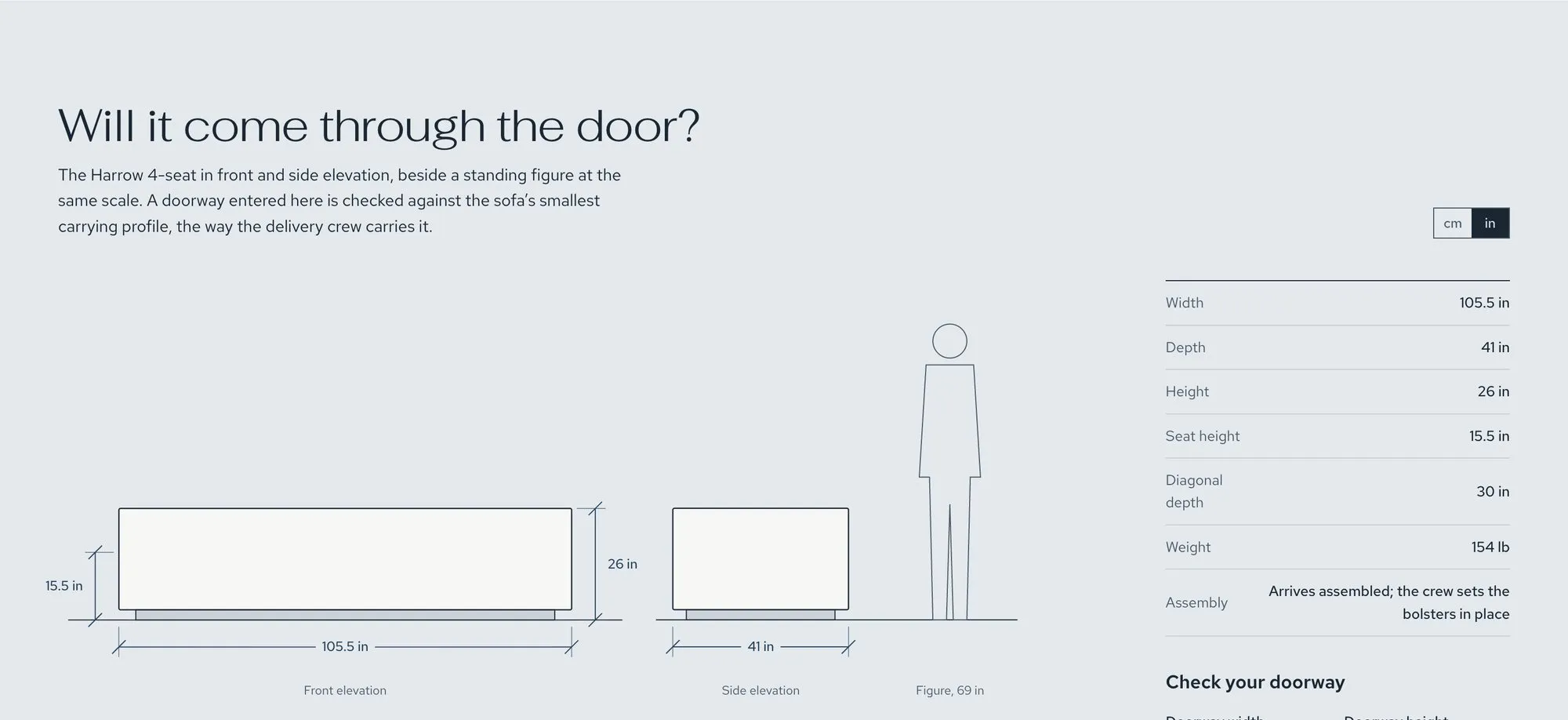
Measurements in words.
Every dimension as text, in cm or inches.
- Audit
- axe-core: 0 issues, every page type, desktop and phone.
- Contrast
- 4.5:1 text, 3:1 controls, all three styles.
Three moods, on the way.
Paper and graphite, for considered pieces and the rooms they go in.
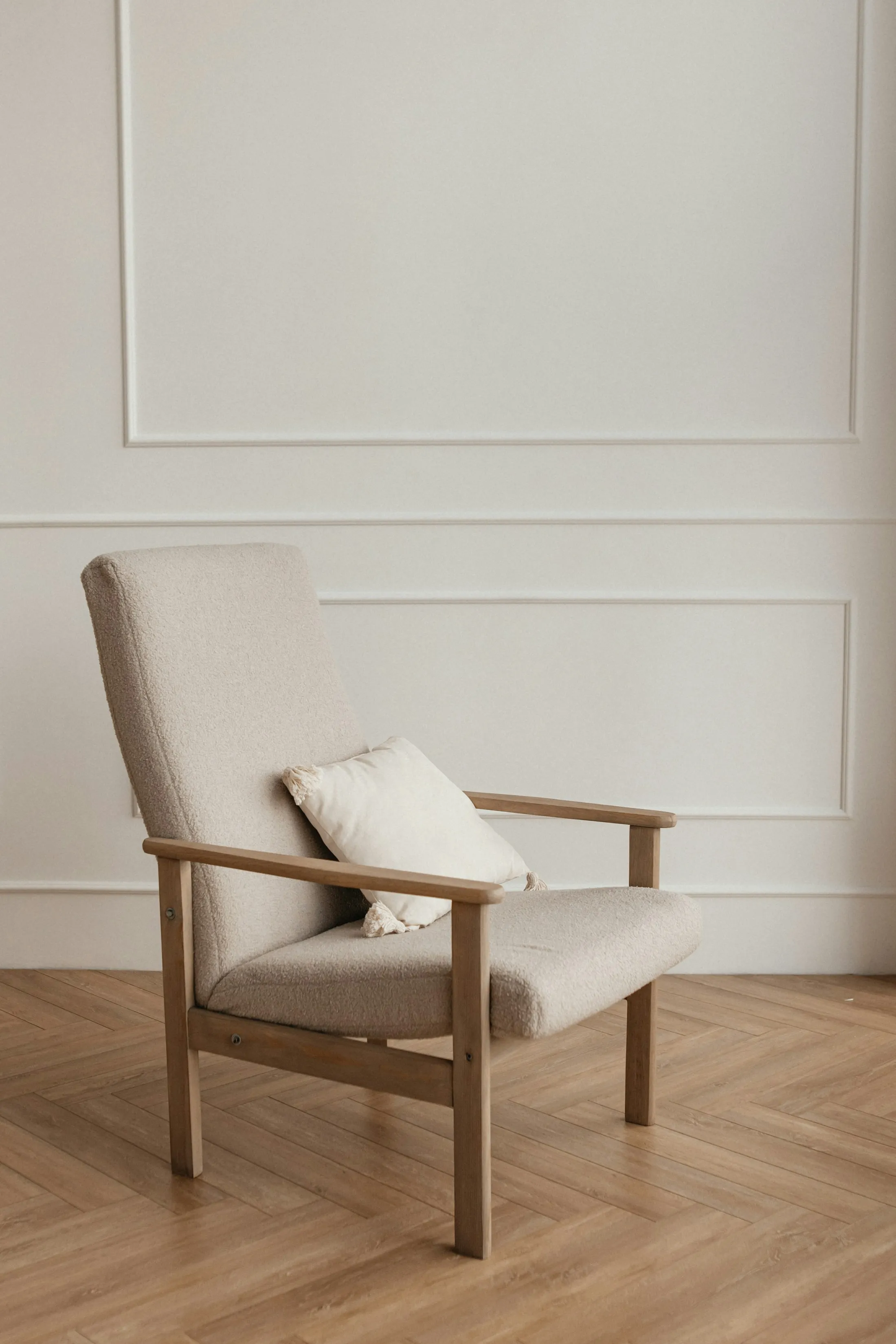
Sizes and finishes for terraces, gardens and the furniture that lives outside.
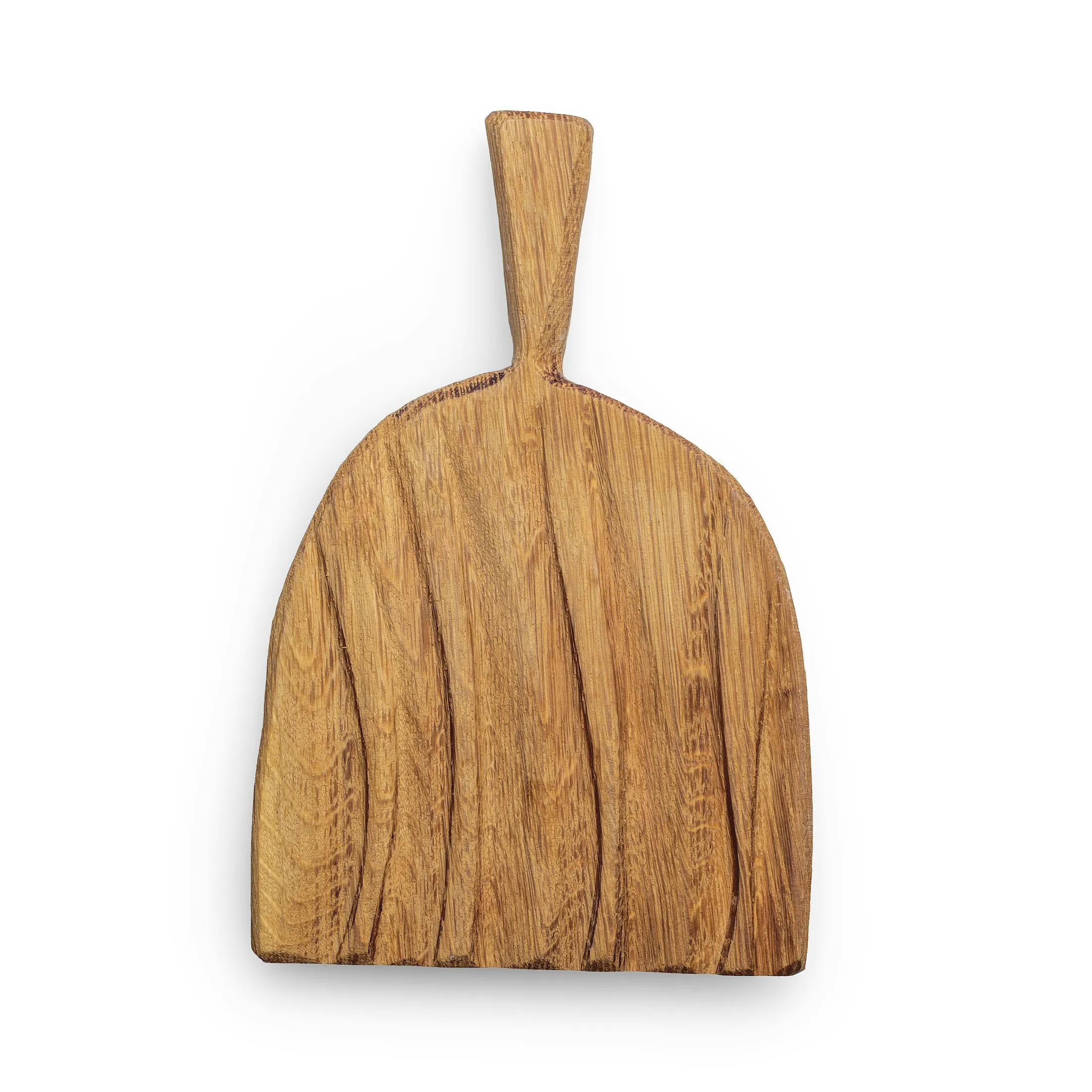
Boards, cookware and tables, measured with the same care.